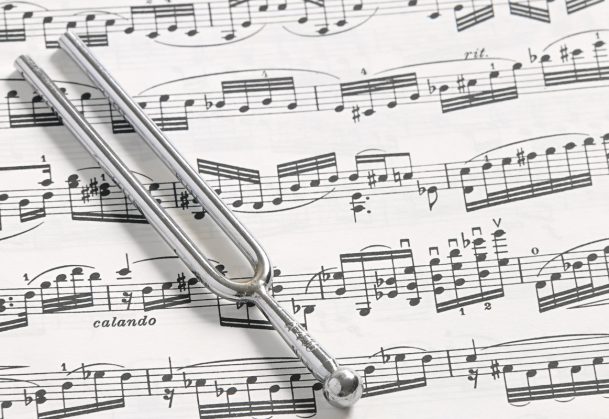
Perhaps one of the most unique aural skills that humans can possess is known as absolute pitch, or commonly referred to as perfect pitch. People with this ability can distinguish between tonal frequencies. More simply, they are able to identify any note that they hear. This talent is incredibly rare, as it’s estimated that one in every ten thousand people have perfect pitch. It’s also likely that some never even discover their capability.
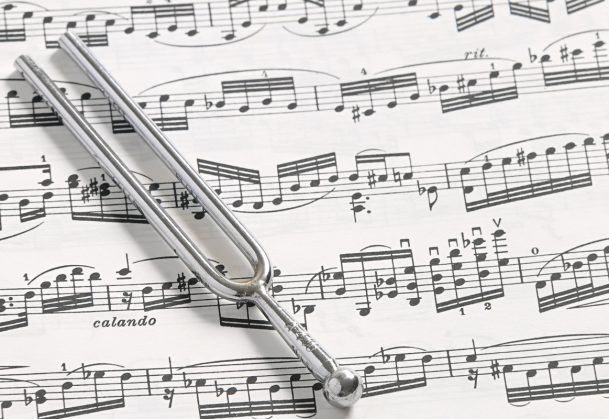
Most people with perfect pitch have a difficult time describing their ability to others. One of the best explanations that I have heard was an analogy to sight. Just as humans can learn to distinguish between colors with their eyes, some rare individuals can tell notes apart with their ears. This works backwards as well; they can also recreate any of the twelve pitches without a reference note.
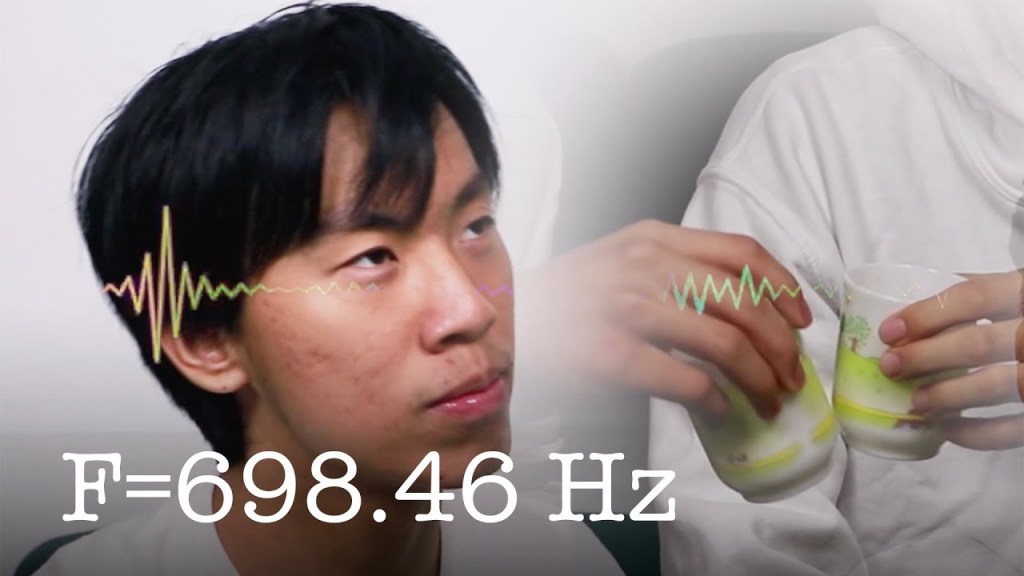
The applications of perfect pitch are substantially overpowered. In advanced music classes in college, some of the most difficult aural tests that students take deal with tone rows, which are basically a bunch of random notes played on a piano. The students listen to the series of notes, and then identify them in order. For someone with perfect pitch, this is literally impossible to mess up. I’ll refer back to the color analogy: no one is suddenly going to forget what yellow looks like. Other things that are made easier by perfect pitch include composing songs, improvising, and playing in tune.
I personally do not have perfect pitch, but I do have very good relative pitch. Relative pitch is the ability to recreate a few select notes from memory. I have the notes A, F, Db, and Eb “memorized”, and relative to those four pitches, I can figure out the other eight. I learned the Db and Eb from listening to specific classical songs, the F from when the band members tune their instruments, and the A from listening to the school bell. Some studies show that perfect pitch can be learned to a certain extent, so it’s possible I’m not that far off from doing so.
 Music Theory Blog